𝑭𝑳𝑶𝑾𝑬𝑹 𝑭𝑰𝑵𝑫𝑺
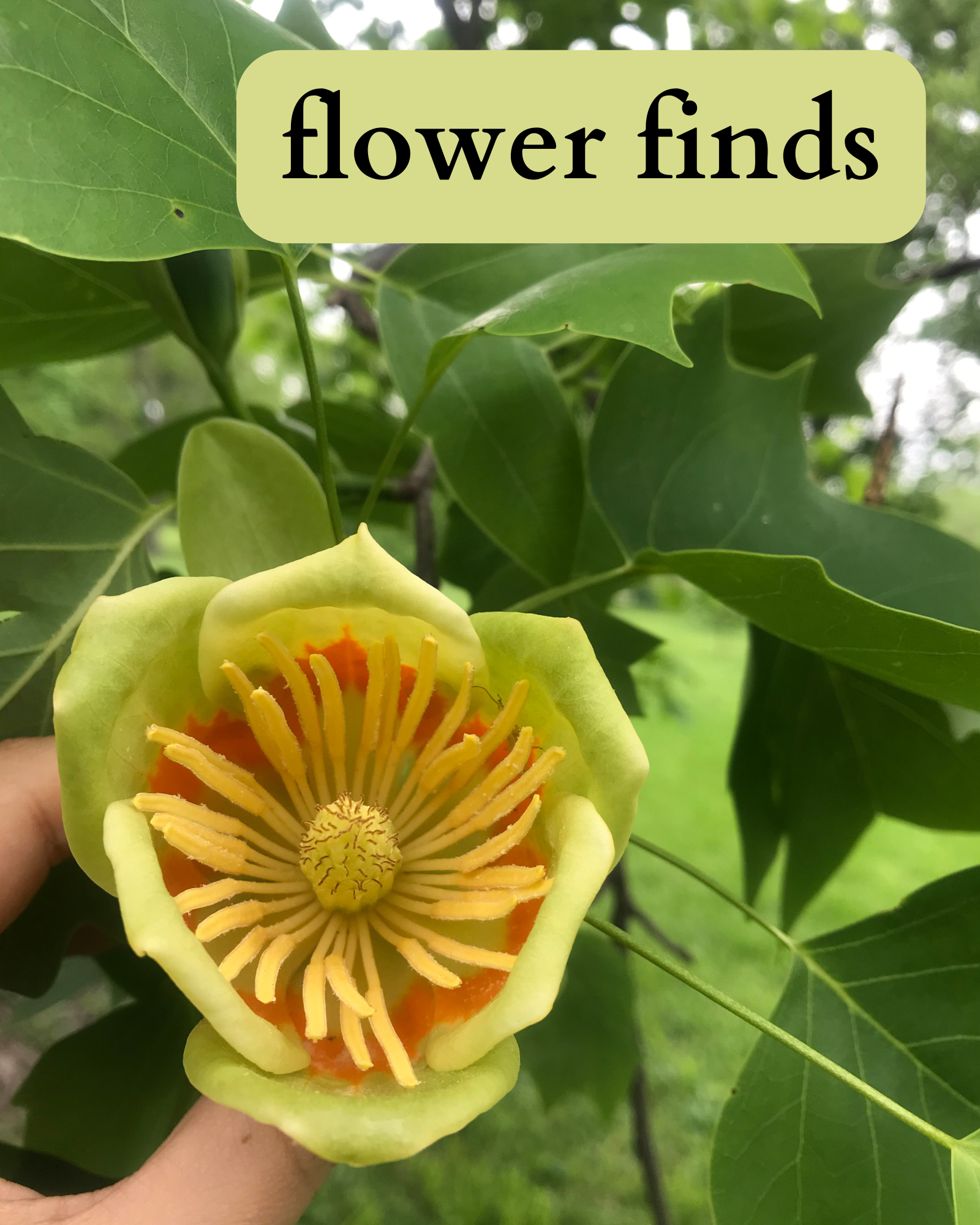
this flower finds was originally posted on IG as a fruit finds post on 6/14/24 at the beginning of fleshy tree fruit season.
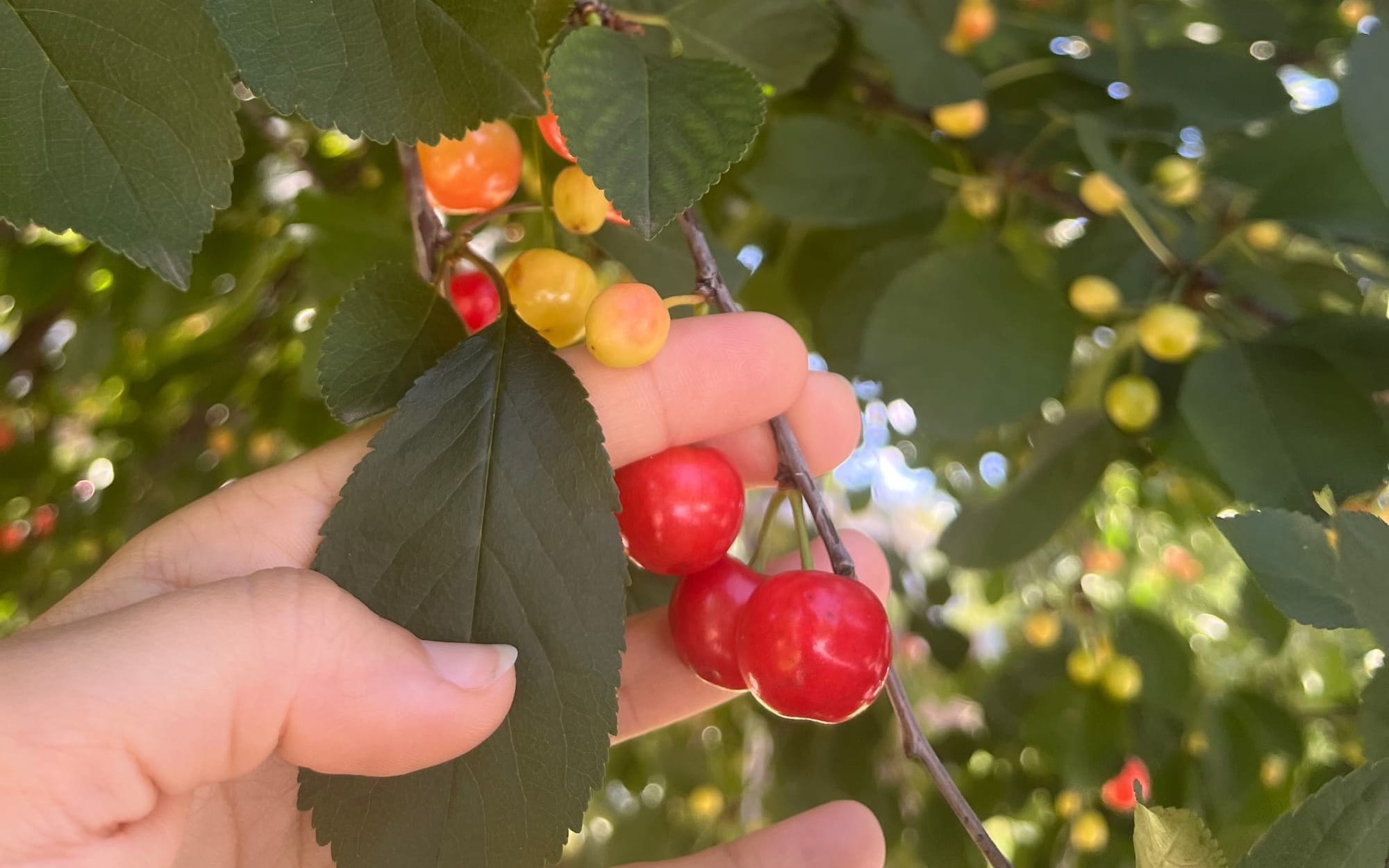
summer & fall are fruit (seed) season for 𝙰𝙽𝙶𝙸𝙾𝚂𝙿𝙴𝚁𝙼𝚂 or among flowering trees. some seeds manifest as 𝘍𝘓𝘌𝘚𝘏𝘠 𝘍𝘙𝘜𝘐𝘛 that we can eat like this cherry below.
see this seed story post for other types of fruit/seeds on angiosperm trees.
all seeds on angiosperm trees, including fruit, come from the flowers with pistils or pistillate flowers. flowers with stamen (staminate flowers) are what produce pollen which travels by wind or insect to fertilize the flowers with pistils, specifically ovaries, and make seeds including edible fruit like apples, cherries, mulberries, and serviceberries. here is a diagram showing the anatomy of a perfect flower with definitions below:
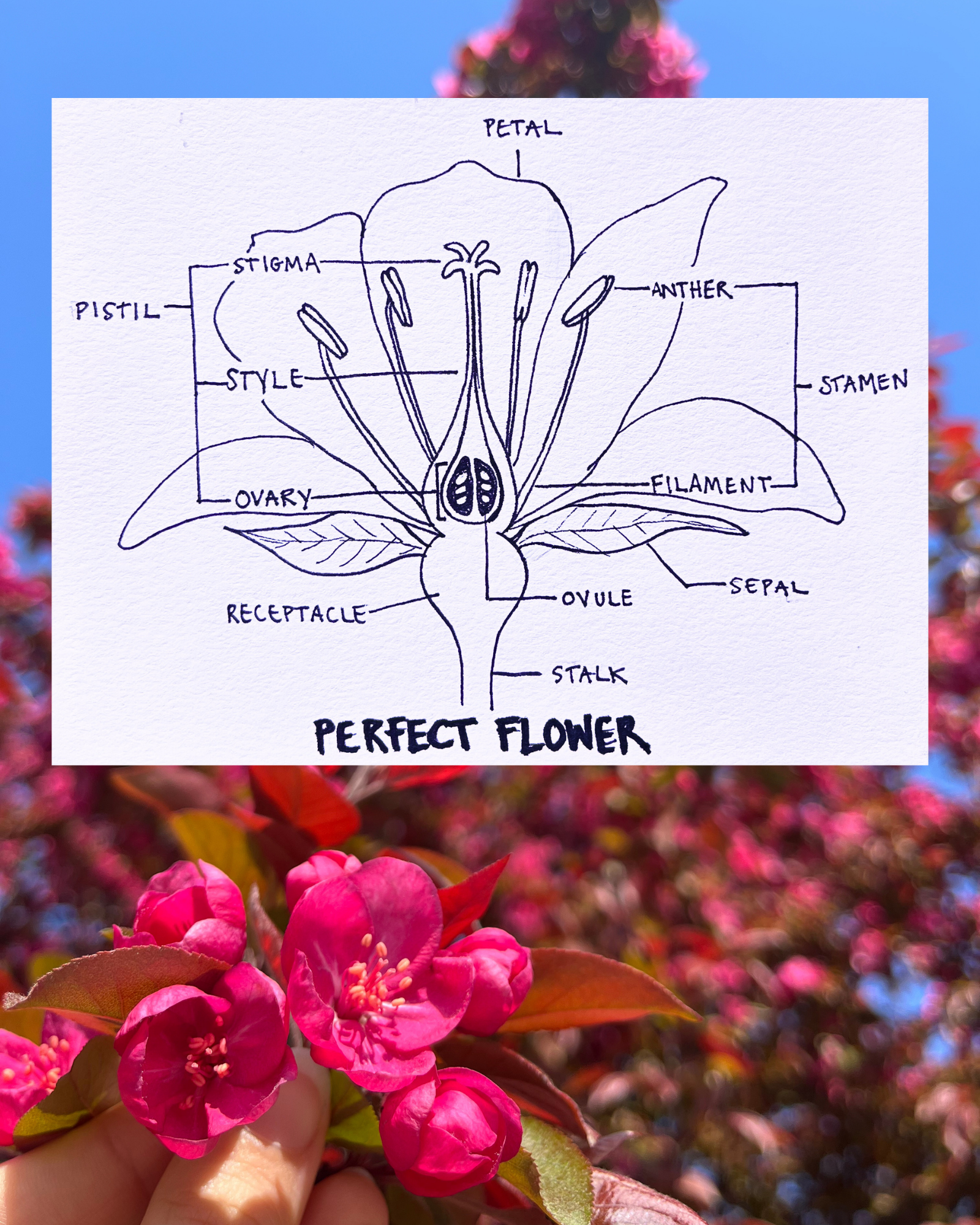
- pistil :: the ovule-producing part of a flower with the ovary at the base usually supporting a long style, topped with a stigma where the pollen germinates; this is the seed-bearing organ of the flower.
- stamen (stamina, pl) :: the pollen-producing part of a flower with a slender filament supporting the anther; on perfect flowers, they surround the pistil which is in the center of the flower.
- petals :: modified leaves that are usually showy and colorful; collectively they form the corolla.
- sepals :: modified leaves, usually green and smaller than the petals; they form the outer part of the flower and collectively form the calyx; when flowers are forming, sepals enclose a developing bud.
- receptacle :: the part of a flower stalk where the parts of the flower is attached which is attached to the stalk.
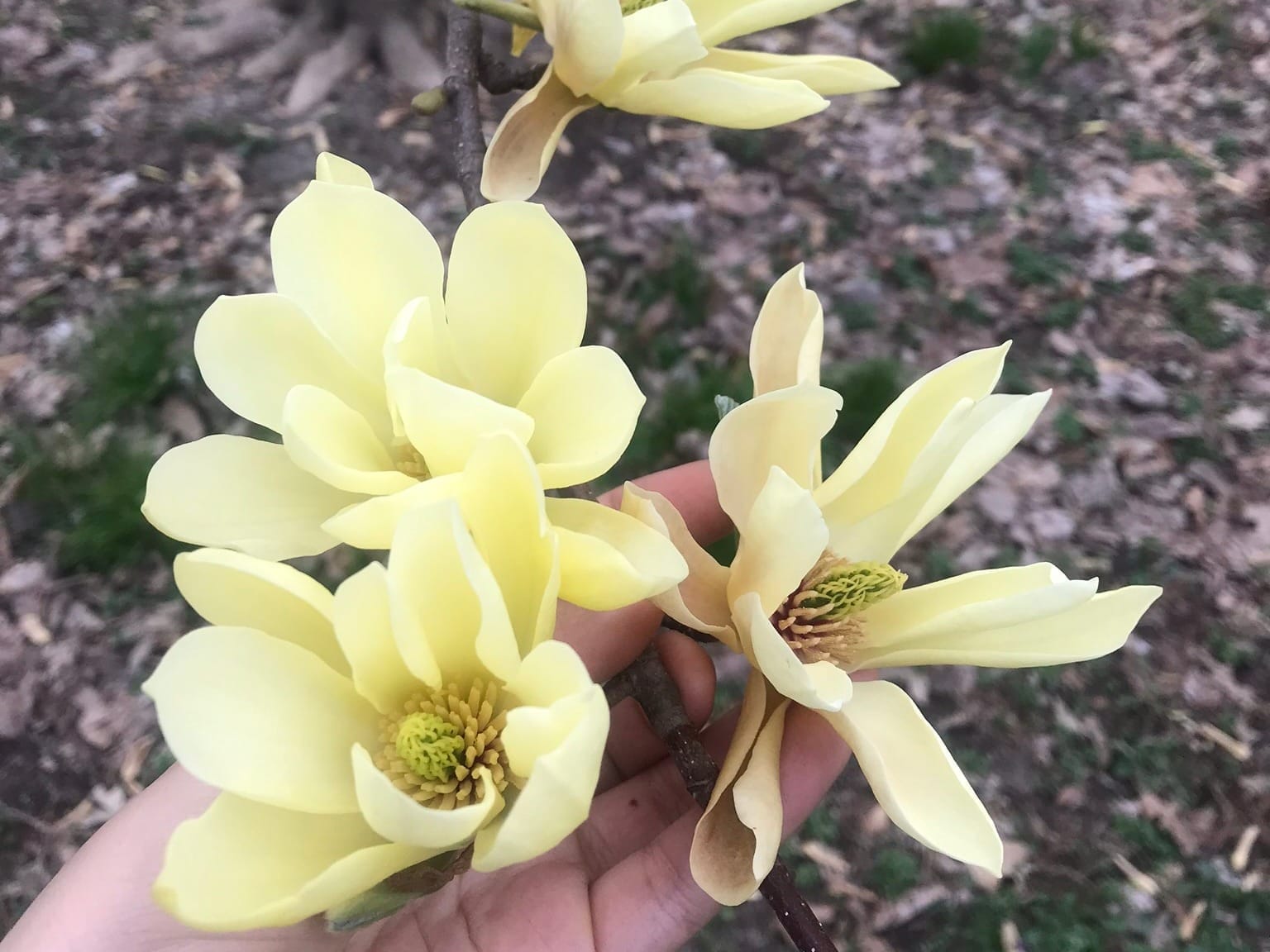
trees that produce these flowers that contain both a pistil and stamena (called “perfect” flowers, as shown in the diagram above) are called 𝑪𝑶𝑺𝑬𝑿𝑼𝑨𝑳 trees. cosexual trees include magnolias, apples, cherries, tulip trees, and american elms.
some trees are 𝑫𝑰𝑶𝑬𝑪𝑰𝑶𝑼𝑺 meaning they have different sex flowers on different trees—some trees only have pistillate flowers (with pistils) and others only have staminate flowers (with stamens). dioecious trees include willows, persimmons, cottonwoods, and kentucky coffeetrees.
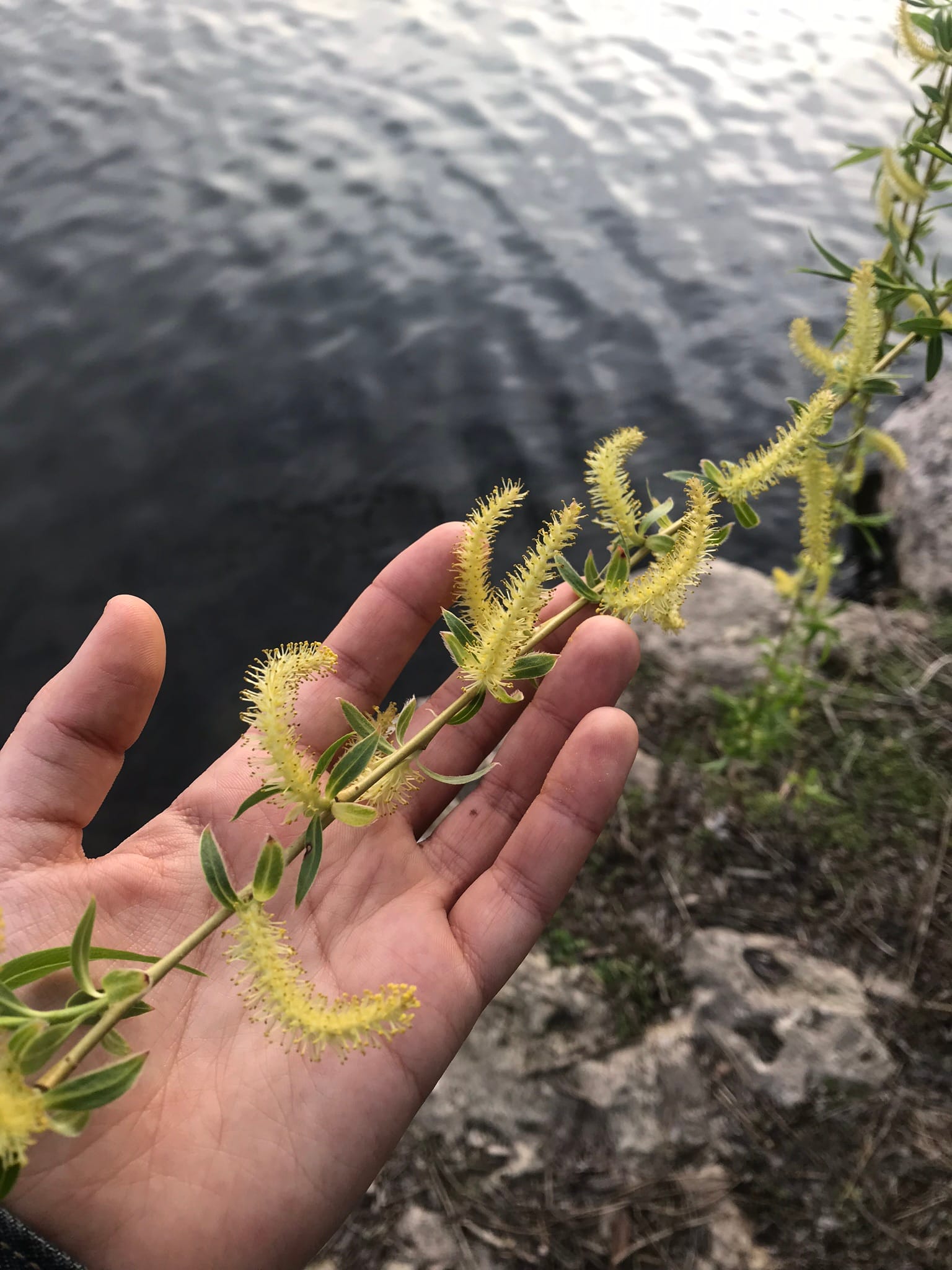
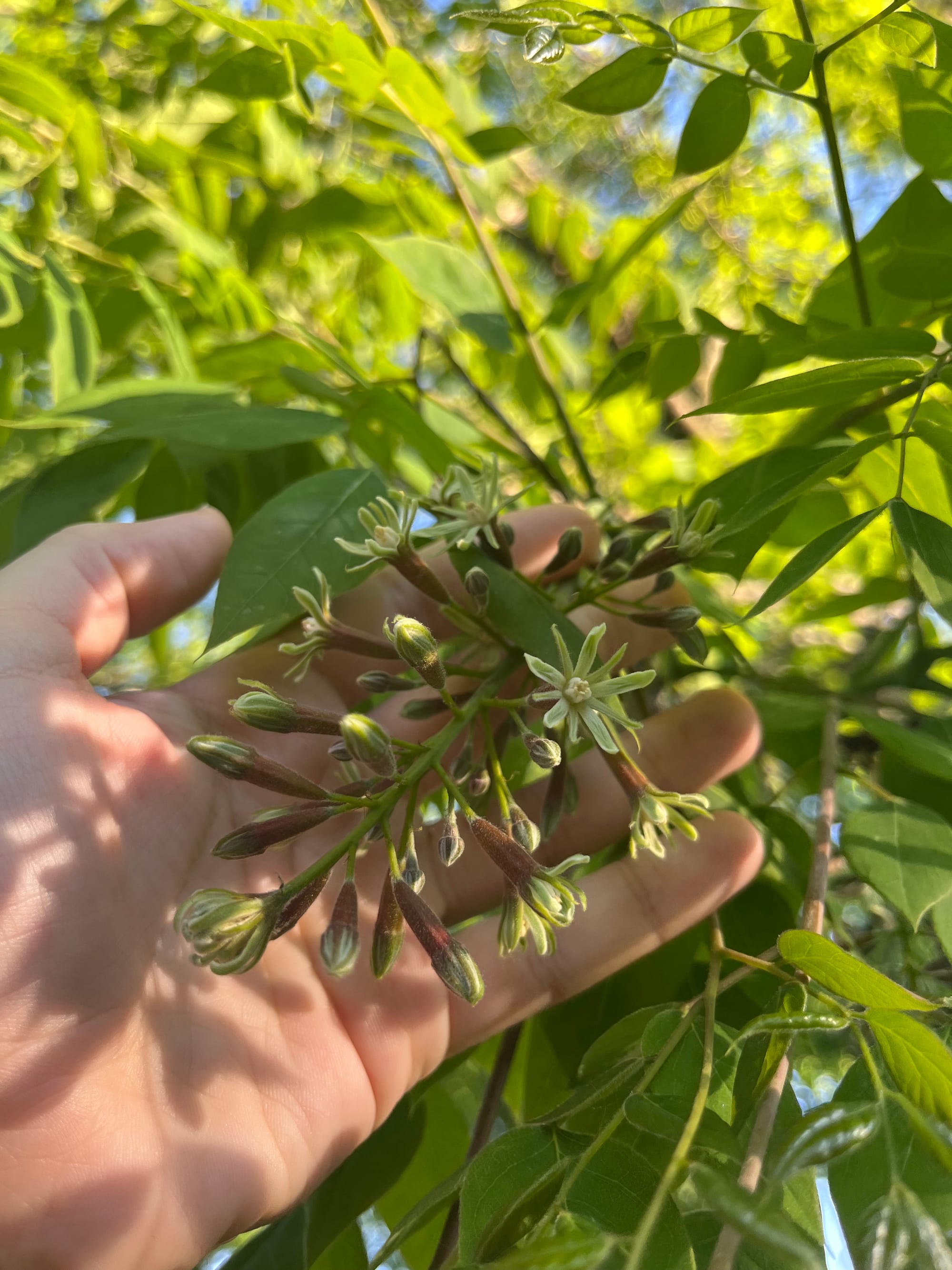
some trees only have staminate flowers like this willow (left) and some trees only have pistillate flowers like this kentucky coffeetree (right)–both are examples of dioecious trees.
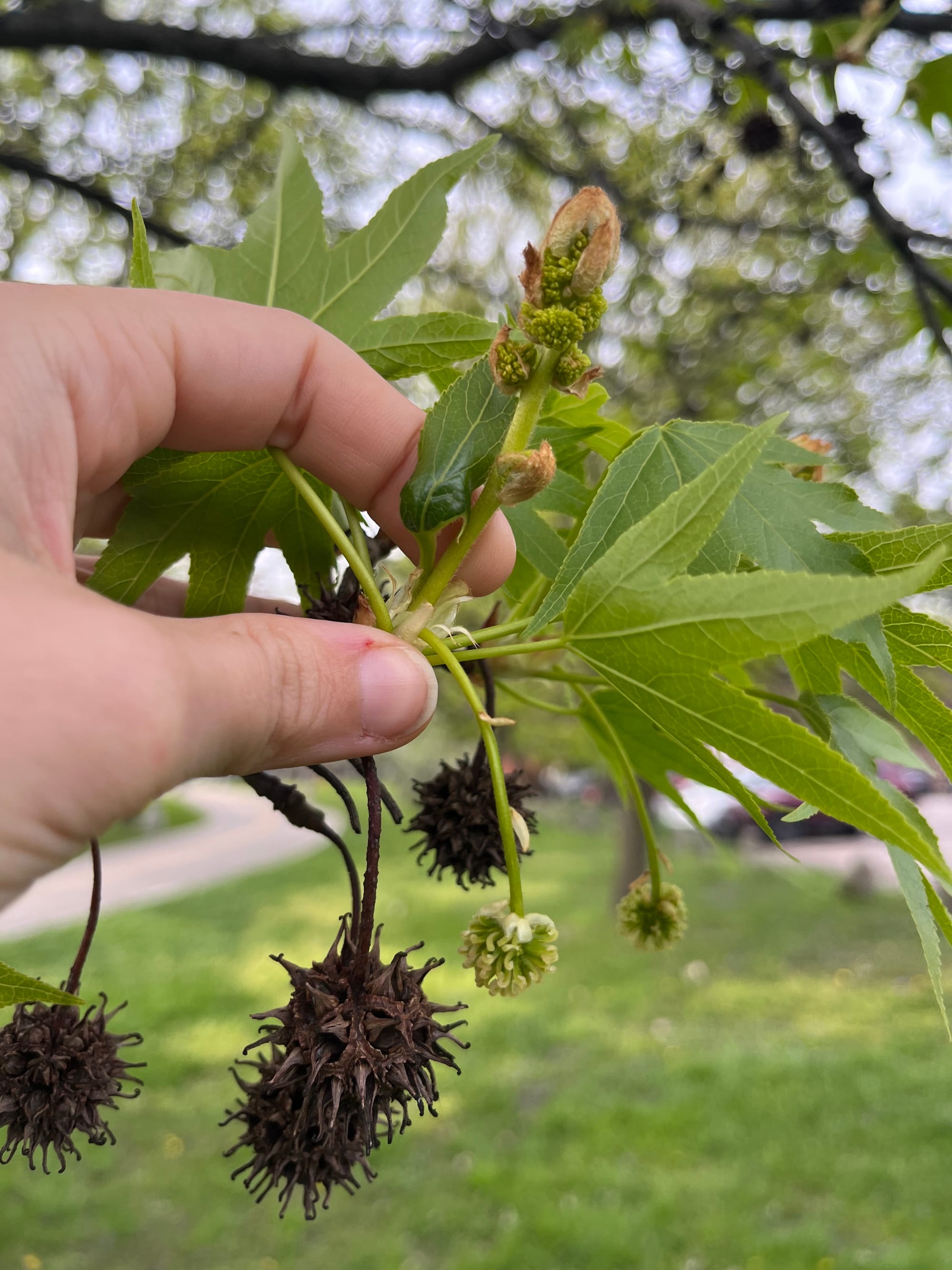
other trees are 𝑴𝑶𝑵𝑶𝑬𝑪𝑰𝑶𝑼𝑺 meaning they have different sex flowers on the same tree—some with pistils, some with stamens, but these are never on the same flower. monoecious trees include oaks, birches, pecans, walnuts, and sweetgums.
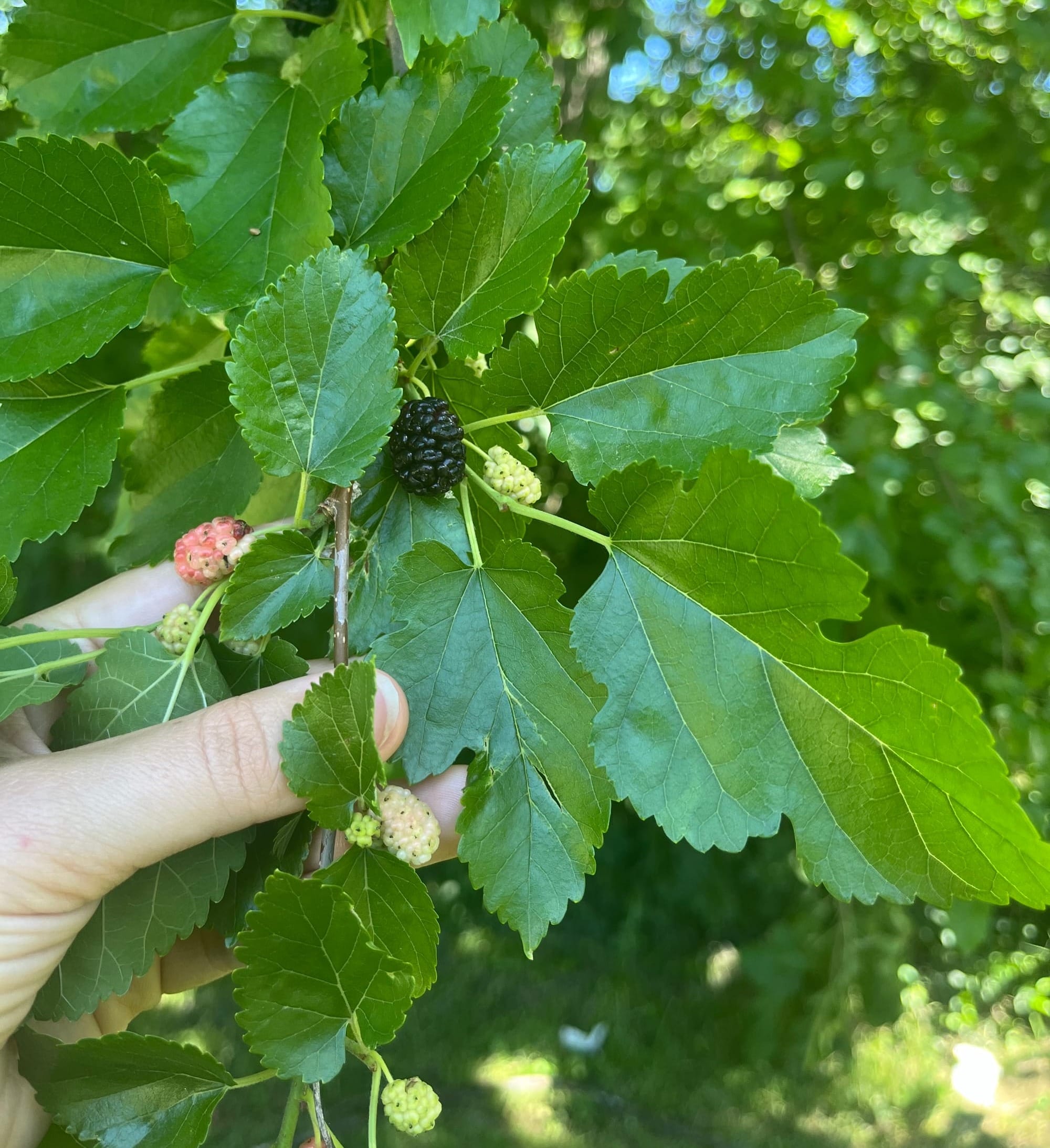
and then some trees are 𝑷𝑶𝑳𝒀𝑮𝑨𝑴𝑶𝑼𝑺 meaning that they have cosexual flowers and different sex flowers on the same tree. polygamous trees include mulberries, red maples, and black ashs.
𝘧𝘶𝘯 𝘧𝘢𝘤𝘵: 𝘮𝘢𝘯𝘺 𝘵𝘳𝘦𝘦𝘴 𝘴𝘵𝘢𝘺 𝘵𝘩𝘦𝘪𝘳 𝘵𝘩𝘦 𝘴𝘢𝘮𝘦 𝘨𝘦𝘯𝘥𝘦𝘳 𝘧𝘰𝘳 𝘵𝘩𝘦𝘪𝘳 𝘦𝘯𝘵𝘪𝘳𝘦 𝘭𝘪𝘧𝘦. 𝘰𝘵𝘩𝘦𝘳 𝘵𝘳𝘦𝘦𝘴 𝘤𝘢𝘯 𝘤𝘩𝘢𝘯𝘨𝘦 𝘨𝘦𝘯𝘥𝘦𝘳 𝘧𝘳𝘰𝘮 𝘰𝘯𝘦 𝘴𝘦𝘢𝘴𝘰𝘯 𝘵𝘰 𝘵𝘩𝘦 𝘯𝘦𝘹𝘵 𝘰𝘯𝘤𝘦 𝘵𝘩𝘦𝘺 𝘴𝘵𝘢𝘳𝘵 𝘱𝘳𝘰𝘥𝘶𝘤𝘪𝘯𝘨 𝘧𝘭𝘰𝘸𝘦𝘳𝘴! this has been observed in striped maples, blackgums, honeylocusts and ginkgos, as well as red maples. we aren't sure exactly why this happens, some studies point to the tree dying/ being in duress and switch as an effort to produce more seeds to ensure they continue in some form. you can read more about that here!
thanks for tuning into another episode of tree friends with soph, and being down to read about tree sex :).