leaf lessons
this leaf lesson was originally posted on IG on 5/25/23
starting off with some leaf basics for deciduous trees–trees that lose their leaves and become bare for part of each year.
🫀VENATION🫀
just like human vines, leaves have veins that deliver water & nutrients to each leaf cell and carry the labors of photosynthesis back to the rest of the tree.
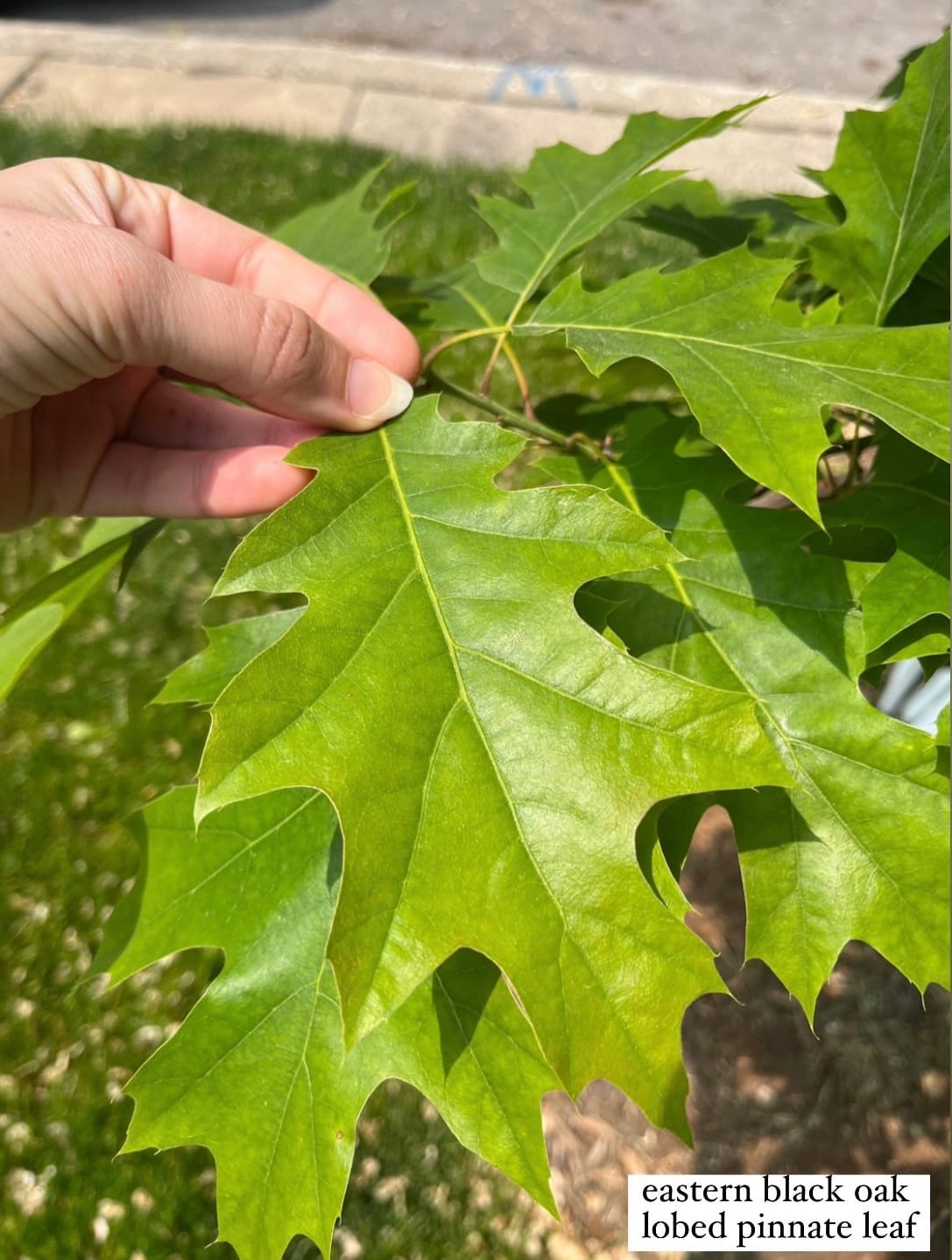
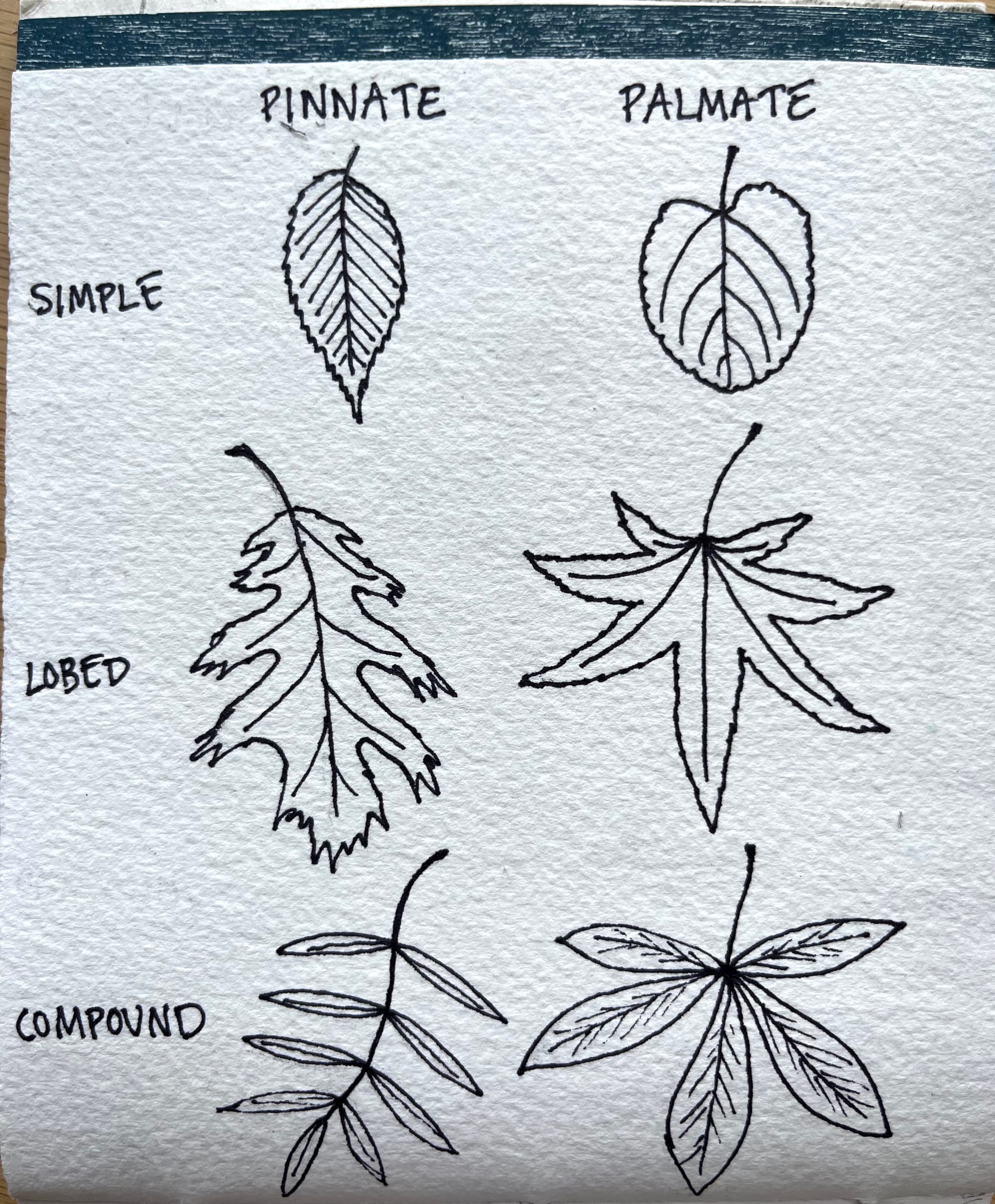
PINNATE leaves have one primary vein along the center of the leaf with parallel-ish veins branching off from that.
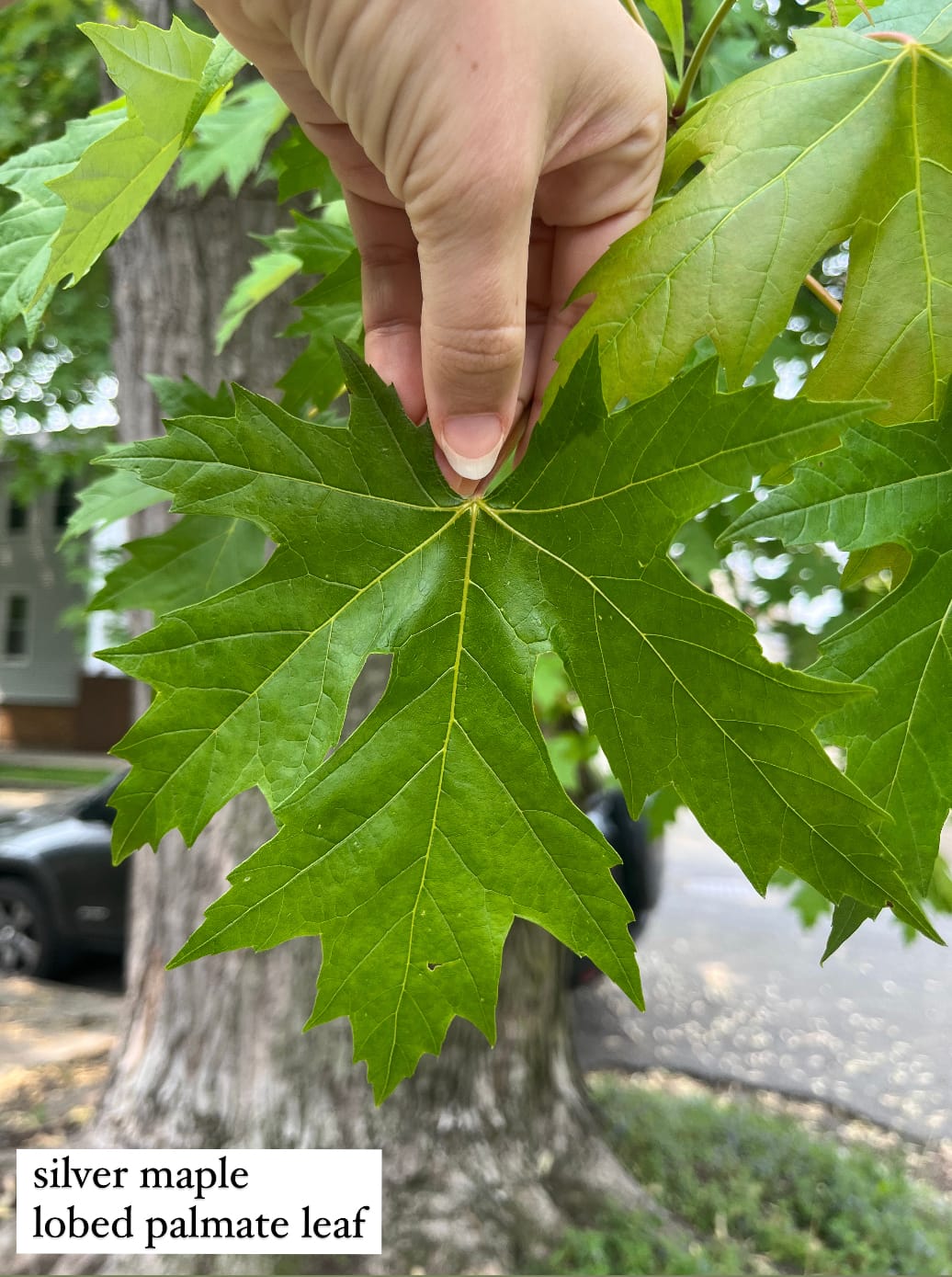
PALMATE leaves have 3-7 primary veins all radiating out from the base of the leaf.
🟩 SHAPE 🟢
most trees have SIMPLE leaves (one single leaf per leafstalk). simple leaves can be LOBED or UNLOBED.
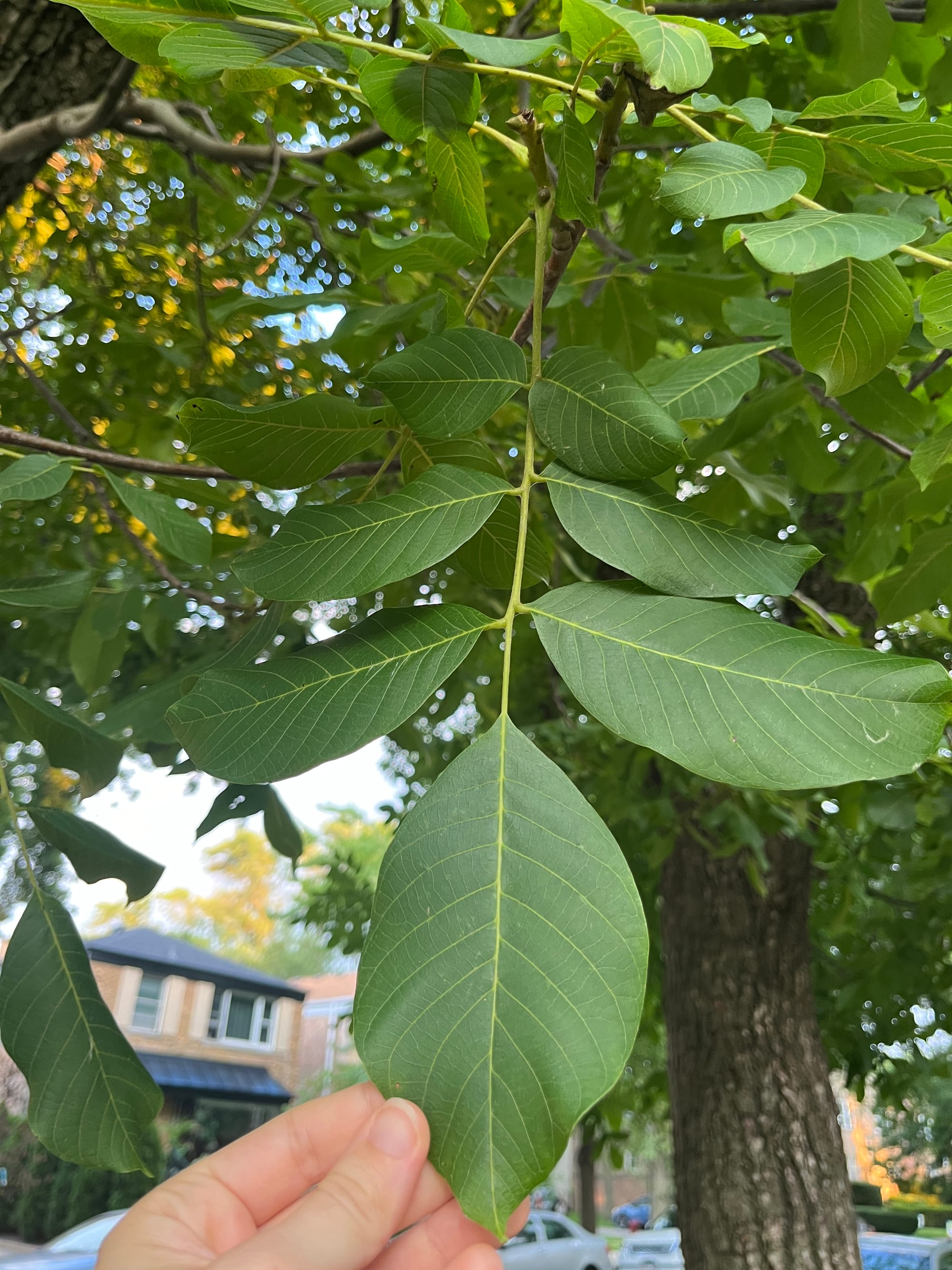
COMPOUND leaves have multiple separate leaflets per leafstalk.
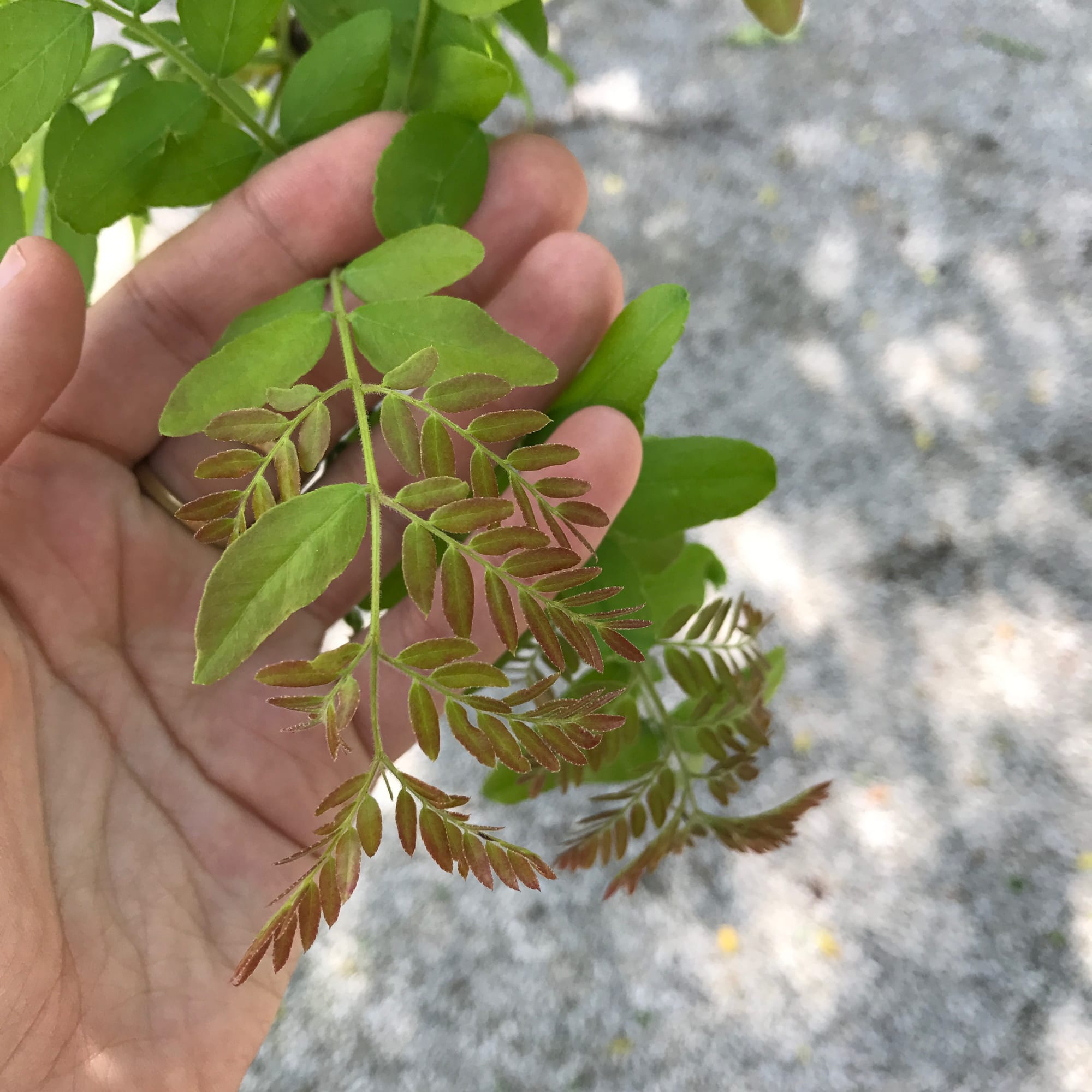
a few species have compound leaves on which the leaflets themselves are also compound, these are called BIPINNATELY COMPOUND leaves.
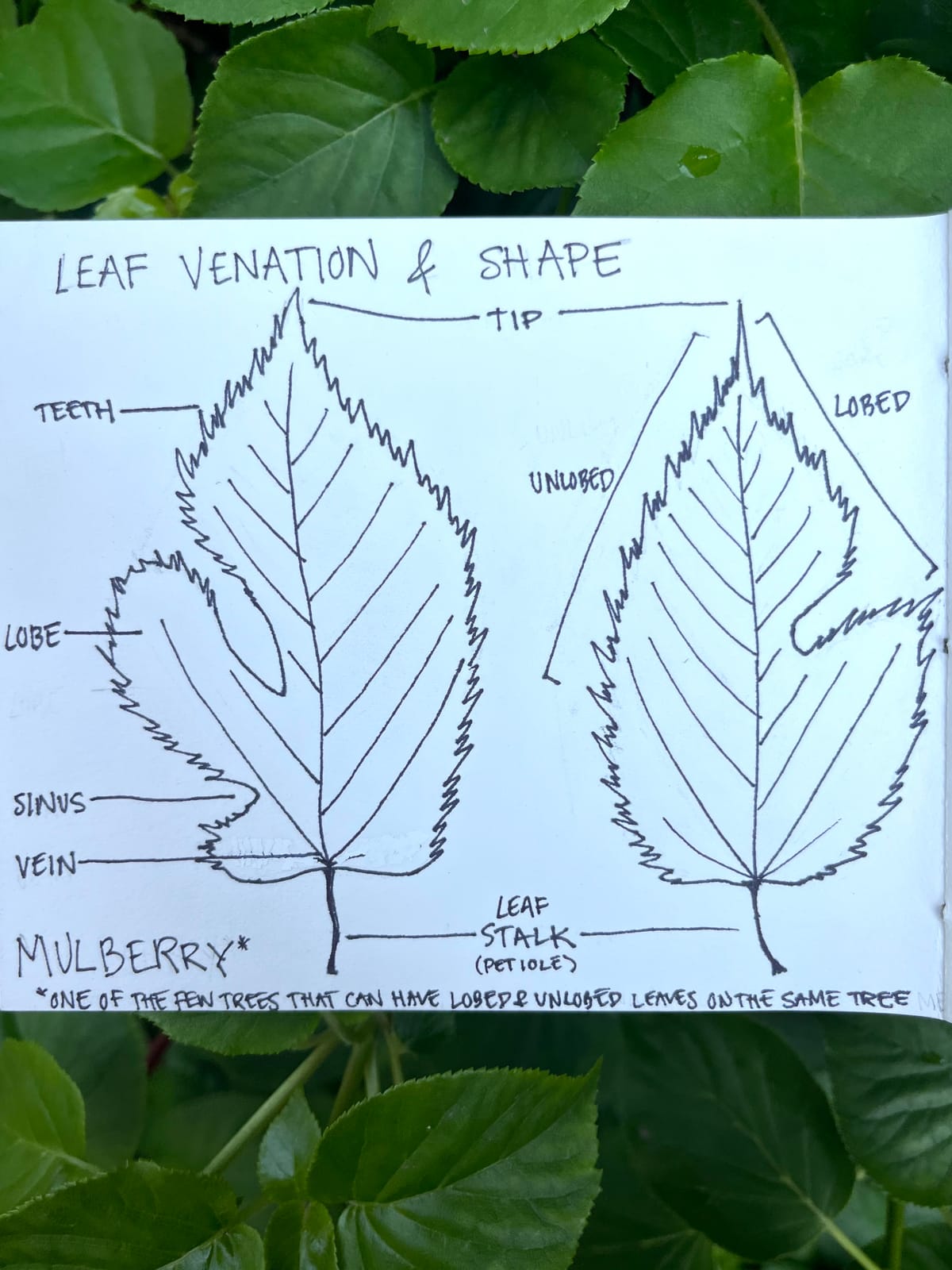
some other helpful definitions as outlined in the diagram at the top of the post:
margin :: the edge of a leaf
blade :: the flat part of a leaf or leaflet, characteristic of broadleaf trees
teeth :: notches on the outer edge of a leaf
single-toothed :: marginal teeth all the same size
double-toothed :: leaves with teeth of different sizes, such as small teeth along the contours of larger teeth
lobes :: projections that shape a leaf
sinus :: indentation between lobes on a leaf.
petiole :: the leafstalk that connects the blade(s) to the twig
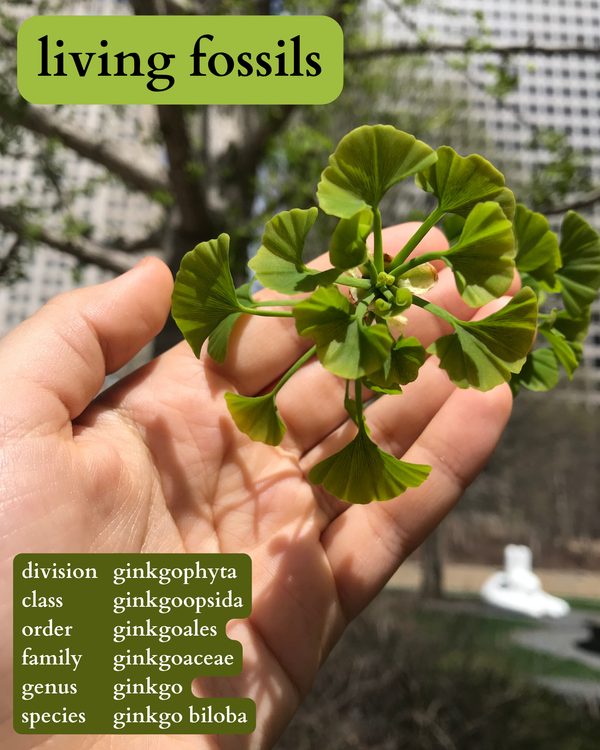
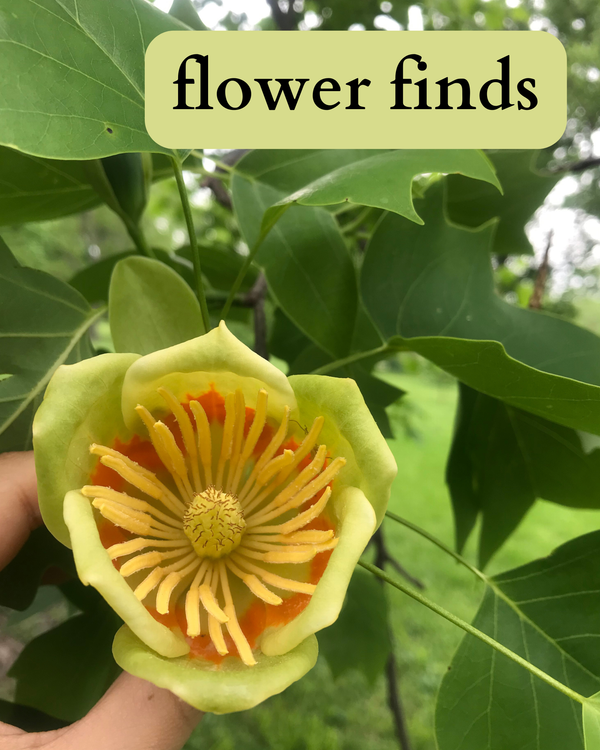
here are some leaf examples: