🌱 SEED STORIES 🌱
"the creation of a thousand forests is in one acorn." - Ralph Waldo Emerson
this seed stories was originally posted on IG on 6/16/23
seeds are truly incredible. they contain the instructions for that seed to become a sprout, then a sapling, then a full tree. each seed comes from another tree's pollinated flowers.
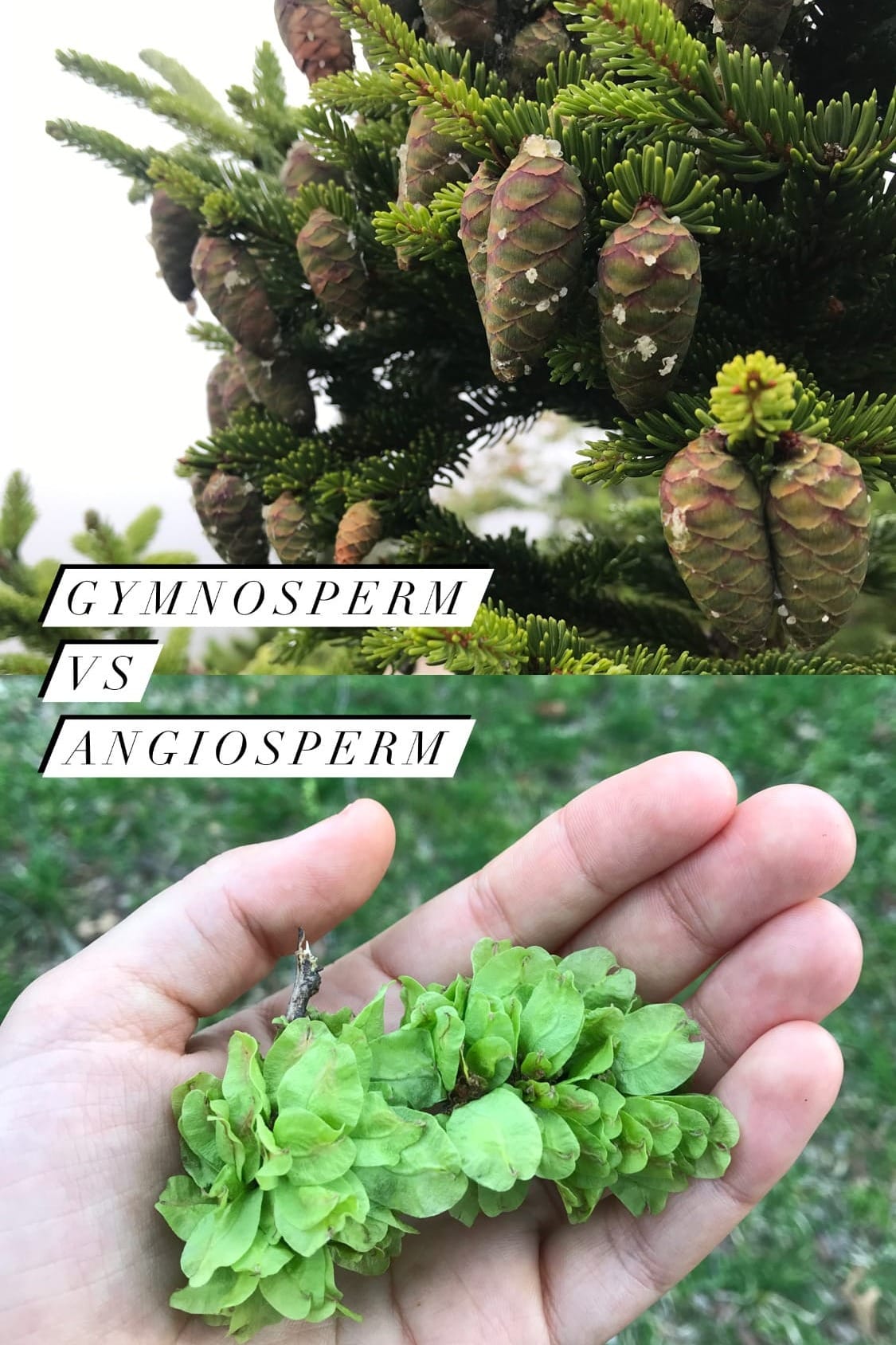
generally, there are two types of seeds: gymnosperms & angiosperms
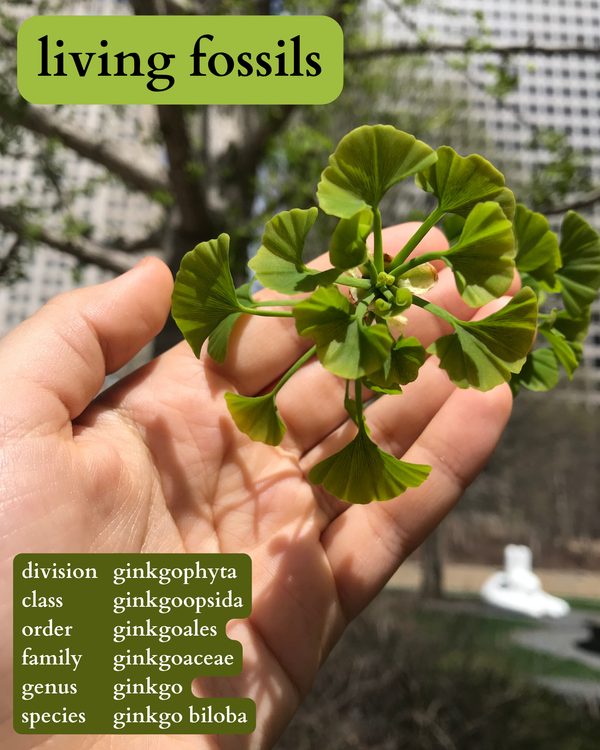
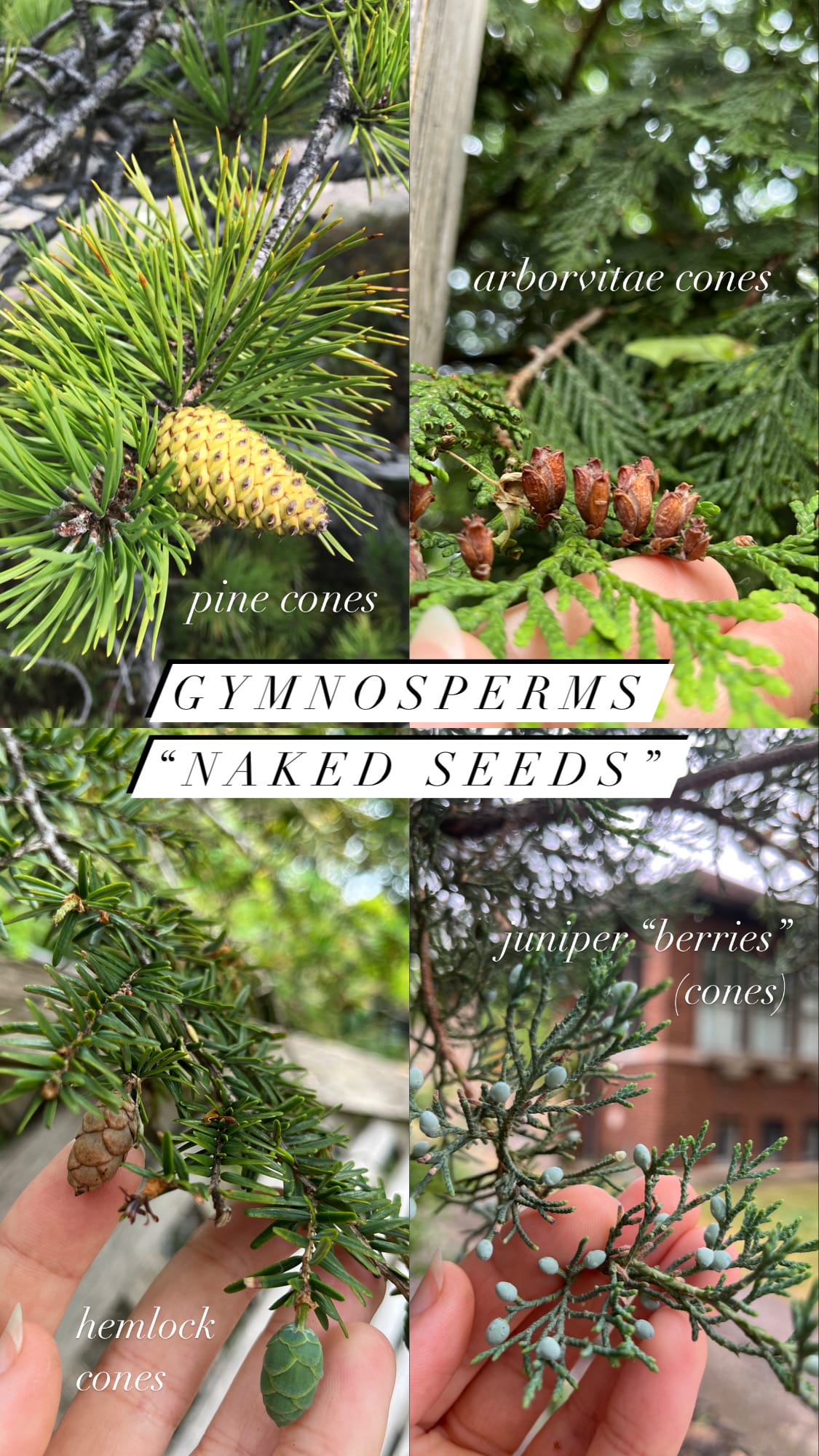
𝐆𝐘𝐌𝐍𝐎𝐒𝐏𝐄𝐑𝐌 means “naked seed”. gymnosperm are non flowering trees. their seeds include seed cones like pine cones, arborvitae cones, hemlock cones, arborvitae cones, juniper “berries” which if you look close are actually little cones, and yews which have “berry-like” cups. all needle-leaved and scale-leaved conifers that make up 𝘗𝘐𝘕𝘖𝘗𝘏𝘠𝘛𝘈 division–including yews, pines, spruces, cypresses, and junipers (that’s right, not all evergreens are pines 🌲🌲)–together with ginkgos (which are in their own division of 𝘎𝘐𝘕𝘒𝘎𝘖𝘗𝘏𝘠𝘛𝘈, more on them later) make up gymnosperms.
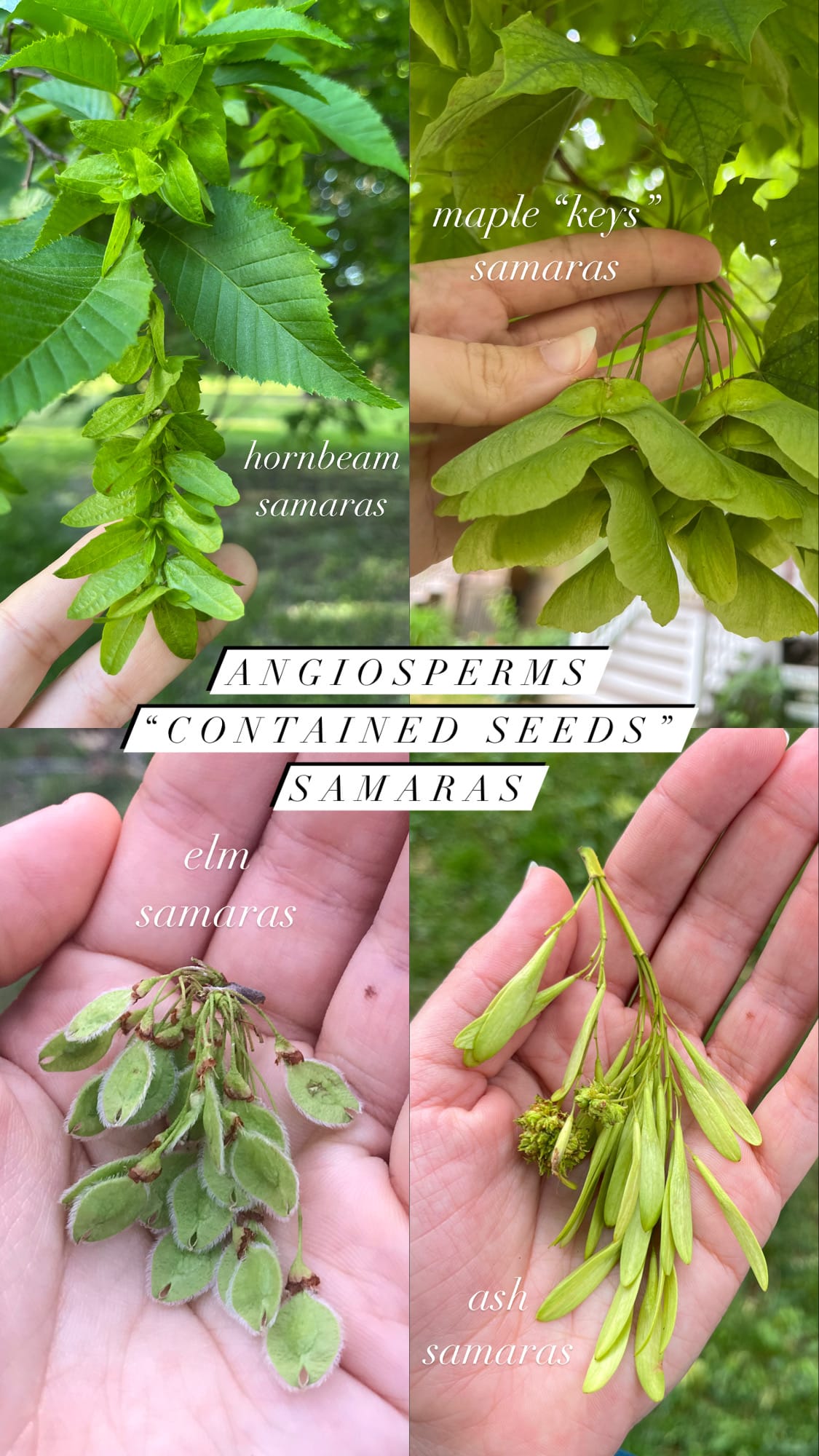
𝐀𝐍𝐆𝐈𝐎𝐒𝐏𝐄𝐑𝐌 means “contained seeds”. angiosperms are all broadleaf trees, commonly known as flowering trees from the 𝘔𝘈𝘎𝘕𝘖𝘓𝘐𝘖𝘗𝘏𝘠𝘛𝘈 division. these trees have a few different types of seeds:
— 𝙷𝚄𝚂𝙺𝙴𝙳 or 𝚆𝙸𝙽𝙶𝙴𝙳 seeds sometimes called 𝚂𝙰𝙼𝙰𝚁𝙰𝚂 like hornbeams, maples, ashes, and elms.
— 𝙵𝙻𝙴𝚂𝙷𝚈 𝙵𝚁𝚄𝙸𝚃 such as your traditional fruit trees (which can have one seed—like cherries— or multiple seeds—like pears—inside their flesh), osage orange trees (sometimes called hedge apples), and mulberries (no pics for these this time, more coming on osages :).
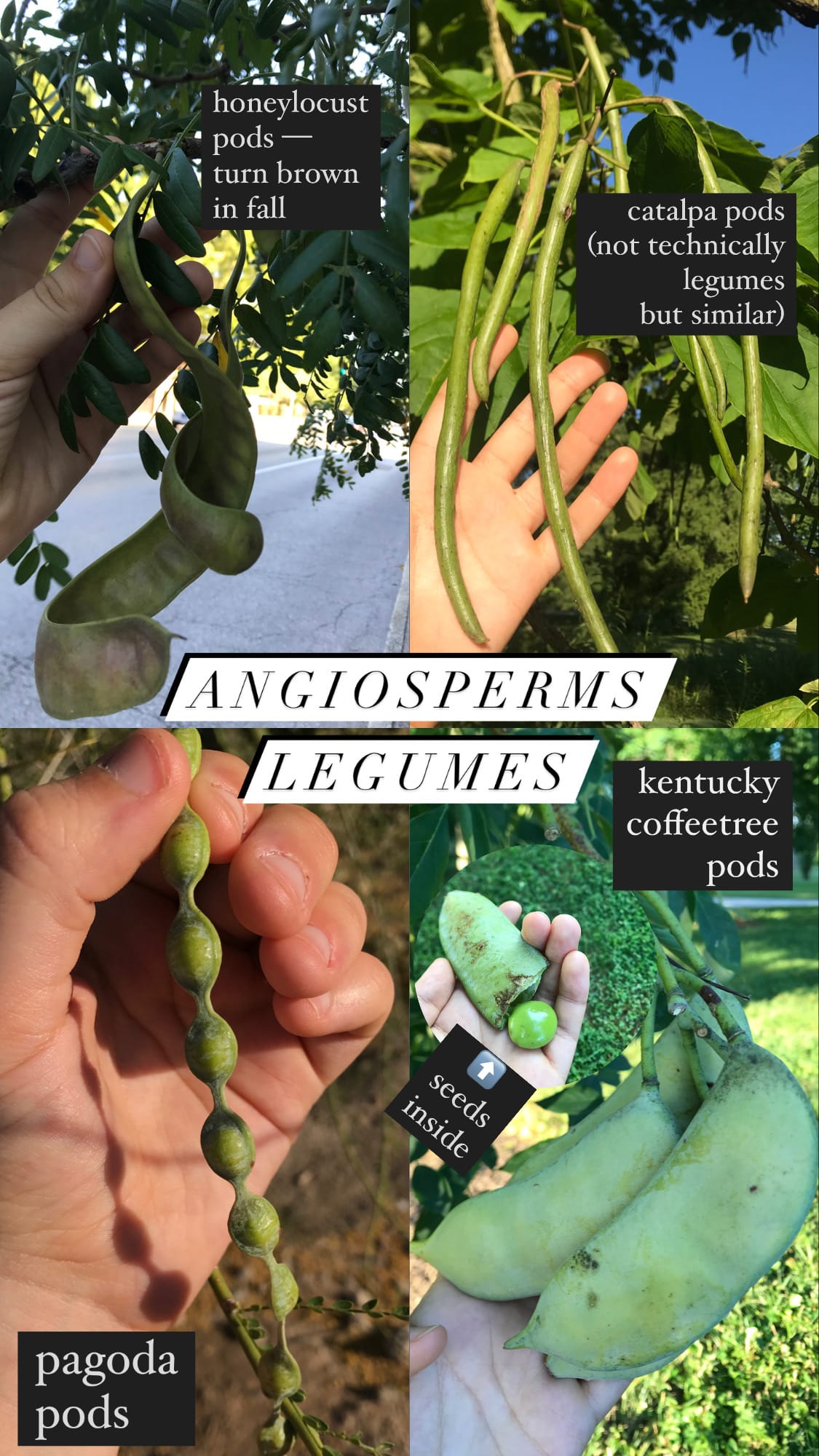
— 𝙻𝙴𝙶𝚄𝙼𝙴𝚂 that have two part pods with multiple seeds inside like honey locusts, redbuds, kentucky coffee trees, pagodas, and catalpas (catalpas are not actually in the legume family but have similar pods).
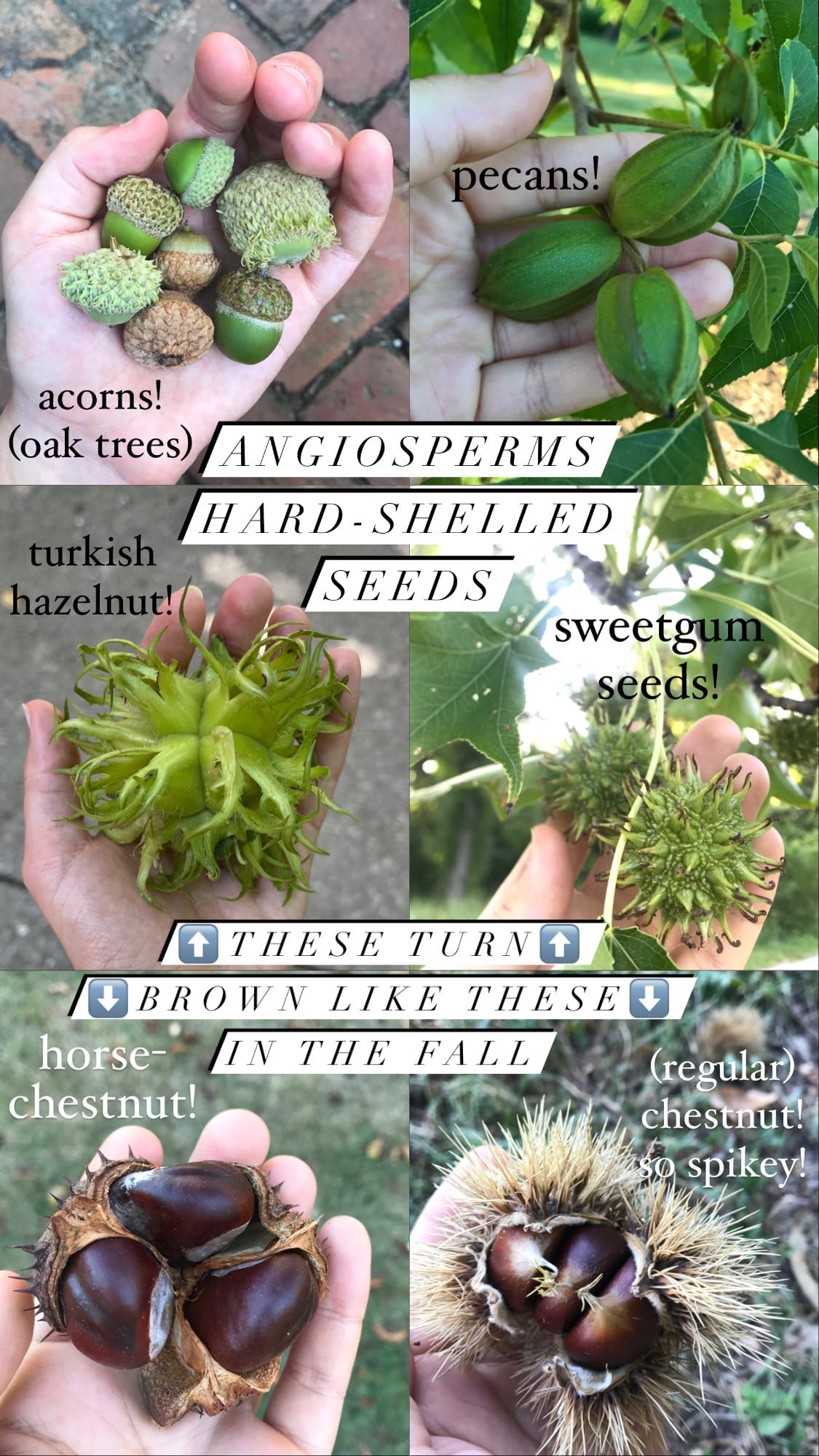
—𝙷𝙰𝚁𝙳-𝚂𝙷𝙴𝙻𝙻𝙴𝙳 𝚂𝙴𝙴𝙳𝚂 i.e. nuts and nut-like seeds including acorns, pecans, turkish hazelnuts, and more spikey seed friends like sweetgums, beeches, horse chestnuts and chestnuts (the latter two are unrelated even tho they have similar names).